Berkshire Hathaway resumes stock buybacks under new CEO Greg Abel
Berkshire Hathaway has restarted its share repurchase program after a two-year pause. The move follows a leadership change at the start of 2026, with Warren Buffett stepping down as CEO. On March 4, the company announced it had begun buying back Class A and B shares for the first time since 2024.
Warren Buffett, now 95, left his role as CEO at the beginning of the year. His successor, Greg Abel, has already invested $15 million of his own money into Berkshire Hathaway shares—an amount equal to his annual take-home pay. The company's policy permits buybacks only when the CEO, in agreement with Buffett as chairman, believes the stock is trading below its true worth.
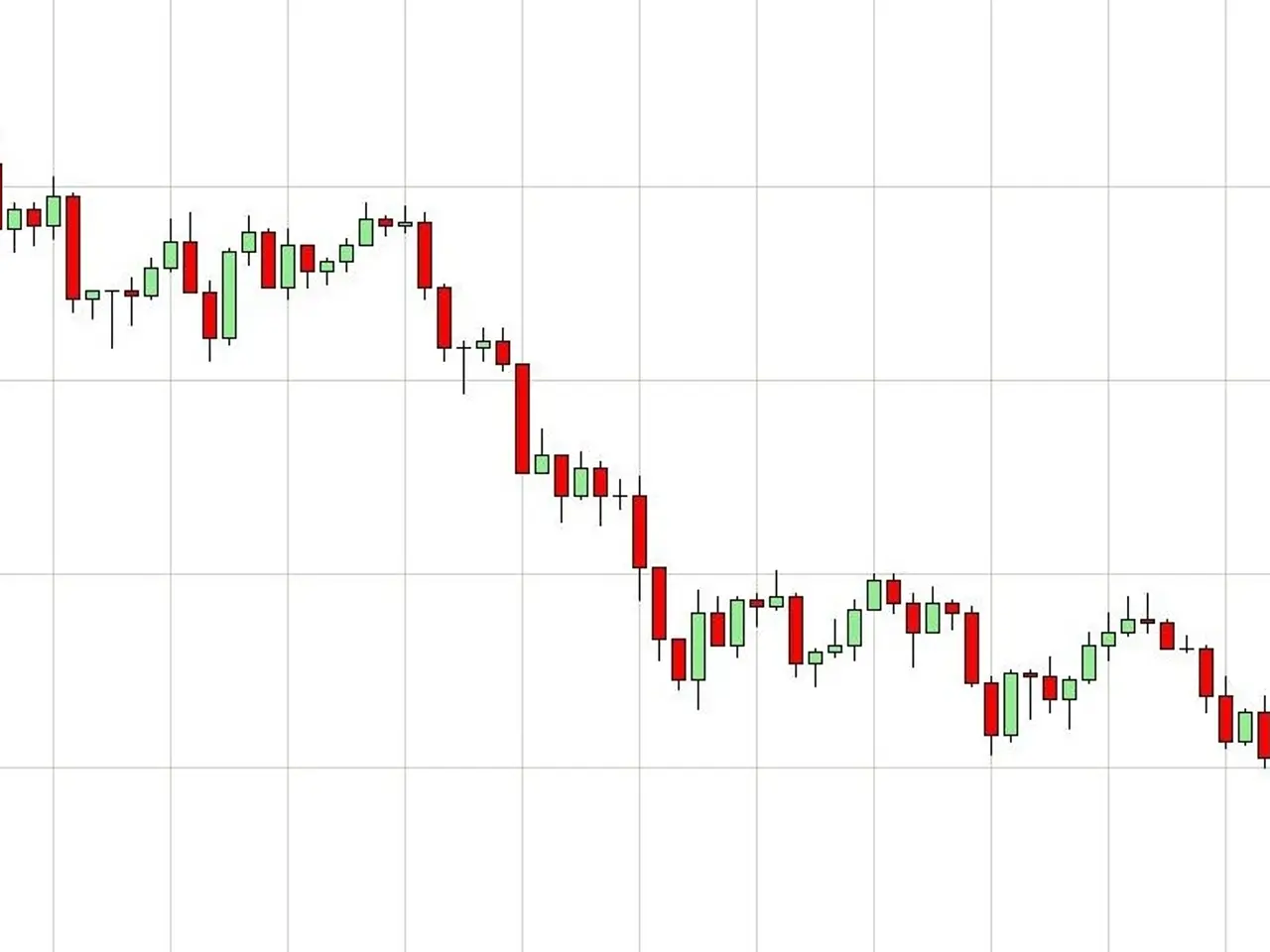
The decision comes as Berkshire's shares sit roughly 10% below their peak. After hitting an all-time high of $812,855 in May 2025, Class A shares have drifted down to between $723,100 and $747,775 by early March 2026. On March 4, they closed at $730,700, a 1.34% rise, while Class B shares ended at $487.48, up 1.3%.
Pressure on the stock has grown after the company reported a 30% drop in operating profit for the last quarter of 2025. Weak results in its insurance division were largely to blame. Despite this, Buffett remains one of the world's wealthiest individuals, ranked 12th on the Bloomberg Billionaires Index with a net worth of $145 billion.
The buyback program marks a shift from Berkshire Hathaway's usual approach, triggered by the recent leadership transition. With shares trading below their 2025 high, the company has signaled confidence in their current value. Abel's personal investment further aligns his interests with those of long-term shareholders.