Belarus warns of icy dangers as winter injuries surge past 19,000
Belarusian Health Ministry Warns of Hazardous Weather Conditions
The Belarusian Health Ministry has urged residents to exercise extreme caution amid shifting weather conditions, offering guidance on how to stay safe outdoors, Telegraf.news reports. Beyond advising a change of footwear, the agency emphasized vigilance and shared alarming statistics to drive the message home.
To underscore the risks, the ministry released injury data spanning the outgoing winter—covering the period from late autumn, as records begin with the first frost on November 26.
Over this time, 19,193 people sought hospital treatment for cold- and ice-related injuries. The majority—17,931—were hurt in slips and falls on icy surfaces, including 3,687 children. Additionally, 1,031 people (687 of them children) were injured while sledding, tubing, or using winter slides.
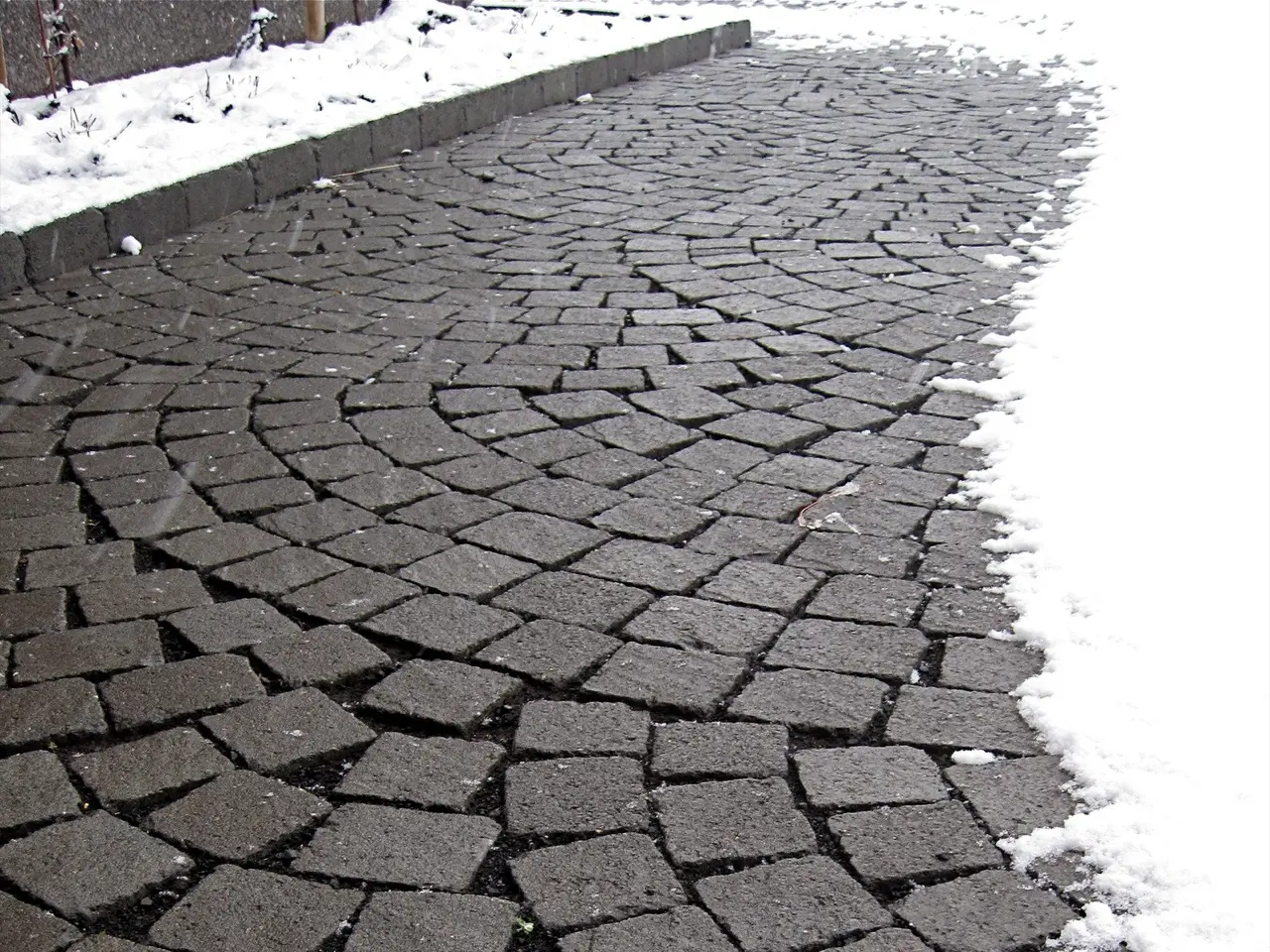
"Dear citizens of the Republic of Belarus, as weather conditions change, please exercise the utmost caution when going outside," the ministry warned. "Some roads may be glaze-covered, and fresh snow could conceal treacherous black ice."
Medical professionals provided a detailed list of recommendations to adapt to hazardous conditions when surfaces become dangerously slippery:
- Wear sturdy, thick-soled shoes with deep treads and avoid high heels.
- Walk slowly and keep your hands out of your pockets.
- Steer clear of icy or sloped surfaces where even treaded footwear may fail.
- Dress in layers, and elderly residents should not hesitate to use a cane for stability.
- Avoid walking near buildings where melting ice and snow can send icicles or frozen chunks crashing down.
The advice to keep hands free during icy conditions is rooted in biomechanics. Free arms act as natural counterbalances, helping maintain stability and prevent falls. If a fall does occur, extended arms (when properly positioned) can reduce the risk of injury. With hands tucked in pockets, however, the body cannot brace itself—often resulting in a stiff, uncontrolled fall and a far higher chance of serious harm.