Belarus shifts trade focus as EU sanctions slash economic ties by 80%
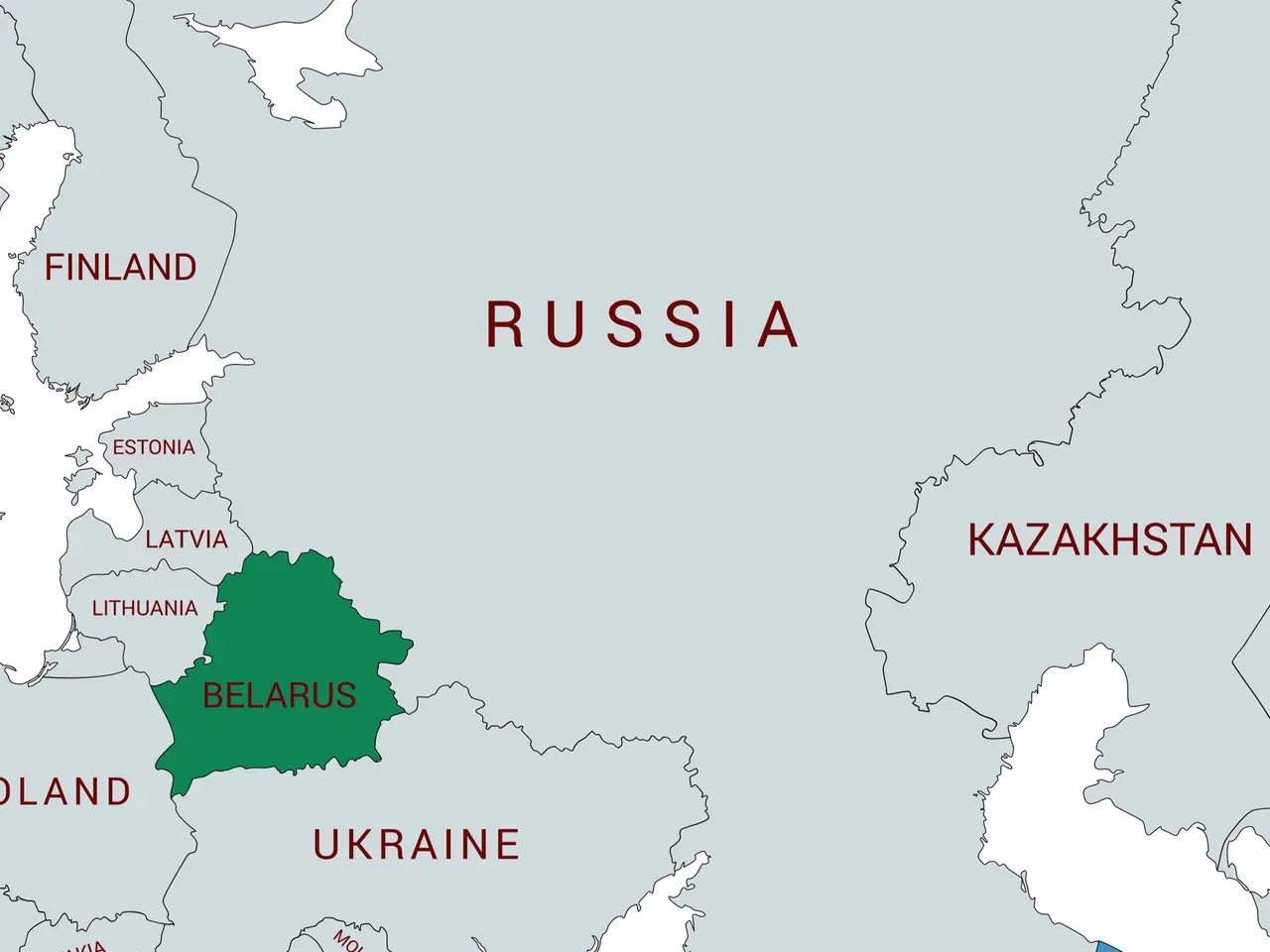
Trade between Belarus and the European Union has fallen sharply since 2021. The decline follows sanctions imposed over Minsk's support for Russia in the war against Ukraine. Despite this, Belarusian officials are pushing for new ways to maintain economic and political ties with Europe.
EU sanctions have hit Belarus hard. Exports of its goods to European countries have dropped by more than 3.5 times since 2021. At the same time, purchases from the EU have halved.
Belarus has turned to other partners to fill the gap. By 2025, Russia accounted for over 70% of its trade, with China making up 10-15%. Trade with Iran and Central Asian states has also grown, while the EU's share fell from 30% to under 5%.
Alexander Turchin, a senior Belarusian official, has ordered diplomats to keep engaging with European partners. He insists they must clearly communicate Minsk's stance—that sanctions are not working. Turchin also urged them to explore alternative political ideas within the EU.
Despite the sanctions, Western businesses still show interest in working with Belarus. Many of its products remain in demand across Europe, even as official trade figures decline.
Belarus continues to adapt to the loss of EU trade by deepening ties with Russia, China, and other non-Western economies. Diplomats have been told to keep pushing for engagement, even as official trade volumes shrink. The long-term impact of these shifts will depend on how effectively Minsk can sustain its economic and political relationships.