Memory Chip Shortage Hinders Bechtle's 2026 Plans - Bechtle reports 8% growth in 2025 despite tech sector challenges
Bechtle has reported steady growth in 2025, despite challenges in the tech sector. The company's total business volume rose by over 8 percent to €8.6 billion, though profits took a slight dip. With a strong position as a key supplier to government and commercial clients, Bechtle is now eyeing further expansion by 2030.
In 2025, Bechtle's revenue increased by just under 2 percent to €6.4 billion. However, pre-tax profit dropped by 6 percent to €324.2 million. The company attributes this to broader industry pressures, including supply issues in memory chips.
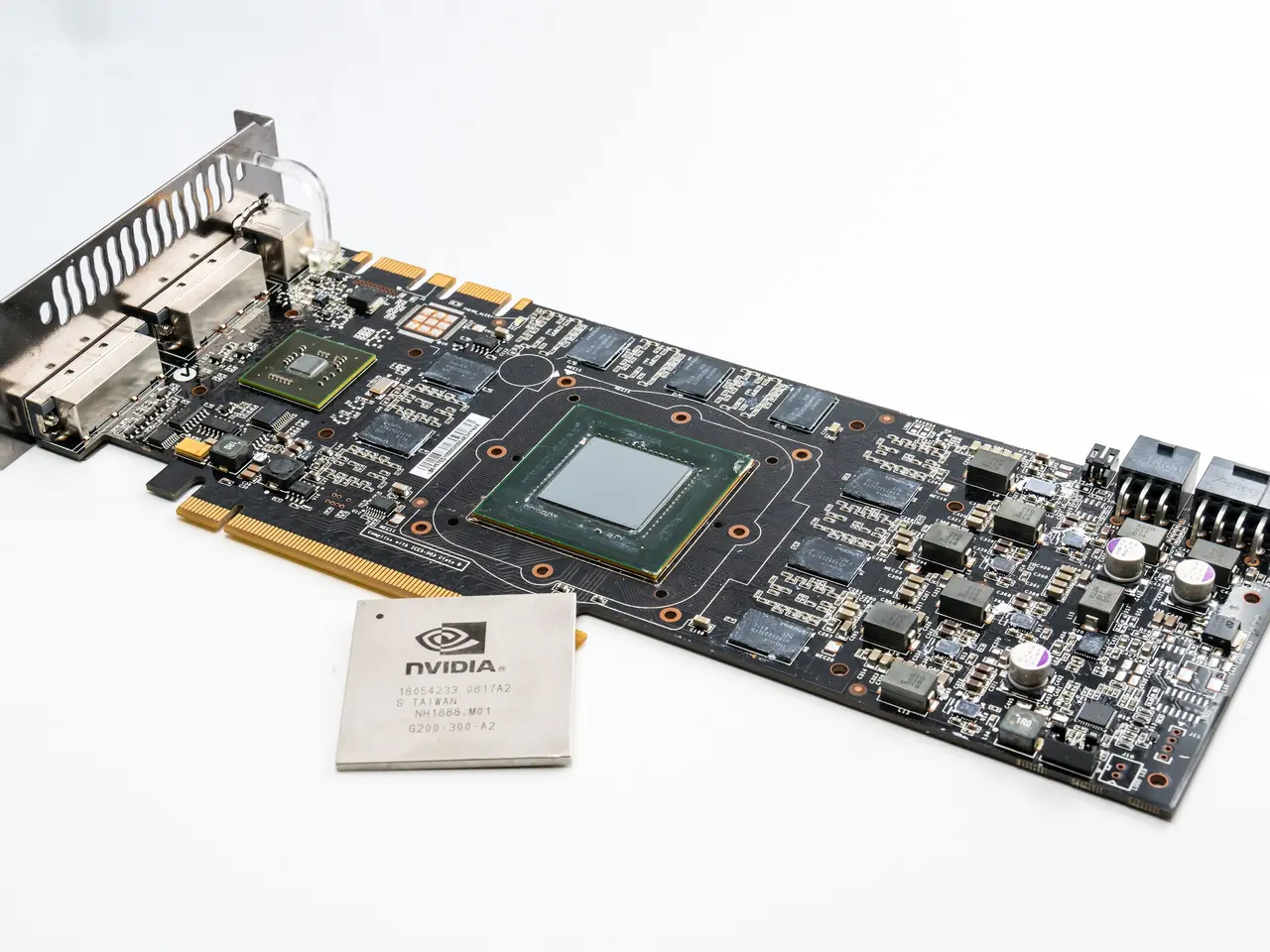
The semiconductor market faced a downturn in 2023 as demand for PCs, smartphones, and tablets weakened after the remote work boom. But the sector has since rebounded, driven by AI chips and a surge in data centre investments. Memory chip prices have climbed sharply due to tight supply, further complicating Bechtle's hardware sales.
Looking ahead, Bechtle remains cautious. CEO Thomas Olemotz has tempered expectations for 2026, forecasting revenue and pre-tax earnings growth of between 0 and 5 percent. The company cites ongoing supply constraints in memory chips as a key factor.
Despite these challenges, Bechtle is targeting at least €10 billion in total business volume by 2030. This would require an average annual growth rate of nearly 4 percent. The company's strong customer relationships and role as a major supplier of PCs and networking hardware position it well for future opportunities.
Bechtle's growth plans hinge on navigating supply chain pressures while capitalising on its market position. The company's focus on government and commercial clients, alongside its online retail channels, provides a stable foundation. However, the impact of memory chip shortages and fluctuating demand will shape its performance in the coming years.