Fewer Measles Infections in Bavaria - Bavaria's measles cases drop sharply—but vaccination gaps threaten progress
Measles cases in Bavaria have plummeted over the past year. In 2025, health authorities confirmed 43 infections, down from 69 in 2024. Despite this progress, experts warn that vaccination rates remain below the target needed to fully eradicate the disease.
Measles spreads swiftly through airborne droplets, often causing a full-body rash days after exposure. The virus can lead to serious complications, including middle-ear infections, pneumonia, and—rarely—fatal brain inflammation. Around one in ten patients faces such issues, with risks rising in older individuals.
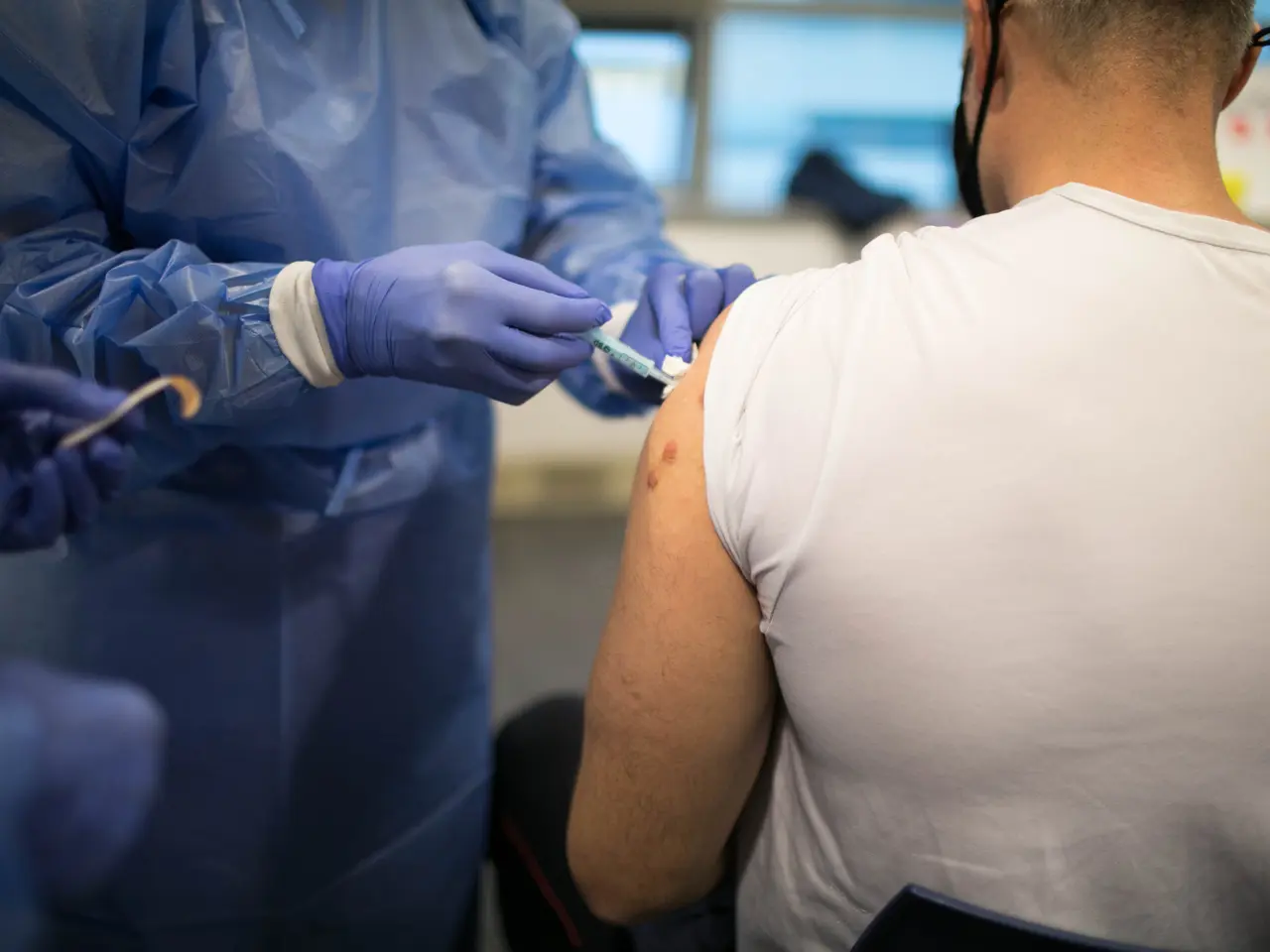
Germany's Standing Committee on Vaccination (STIKO) advises two measles shots: the first at 11 months and the second at 15 months. In Bavaria, current coverage stands at 92% for the first dose among two-year-olds but only 78% for the second. To wipe out measles entirely, second-dose rates must climb above 95%.
Certain adults are also urged to check their immunity. Those unsure of their vaccination history or who received just one dose in childhood should consider getting immunized. Bavaria's early 2026 figures show only two infections, suggesting continued decline.
Across Europe, measles cases surged from 15 in 2021 to 645 in 2024, before falling to 234 in 2025. A 2024 outbreak in a Berlin refugee centre accounted for 52 cases, highlighting the virus's persistence in unvaccinated groups.
Bavaria's measles cases have fallen, but vaccination gaps still pose a risk. Health officials stress the need for higher second-dose coverage to prevent future outbreaks. Without sustained efforts, the disease could resurface in vulnerable populations.