Bangladesh Proposes Higher Cash Incentives to Boost Local Yarn Production
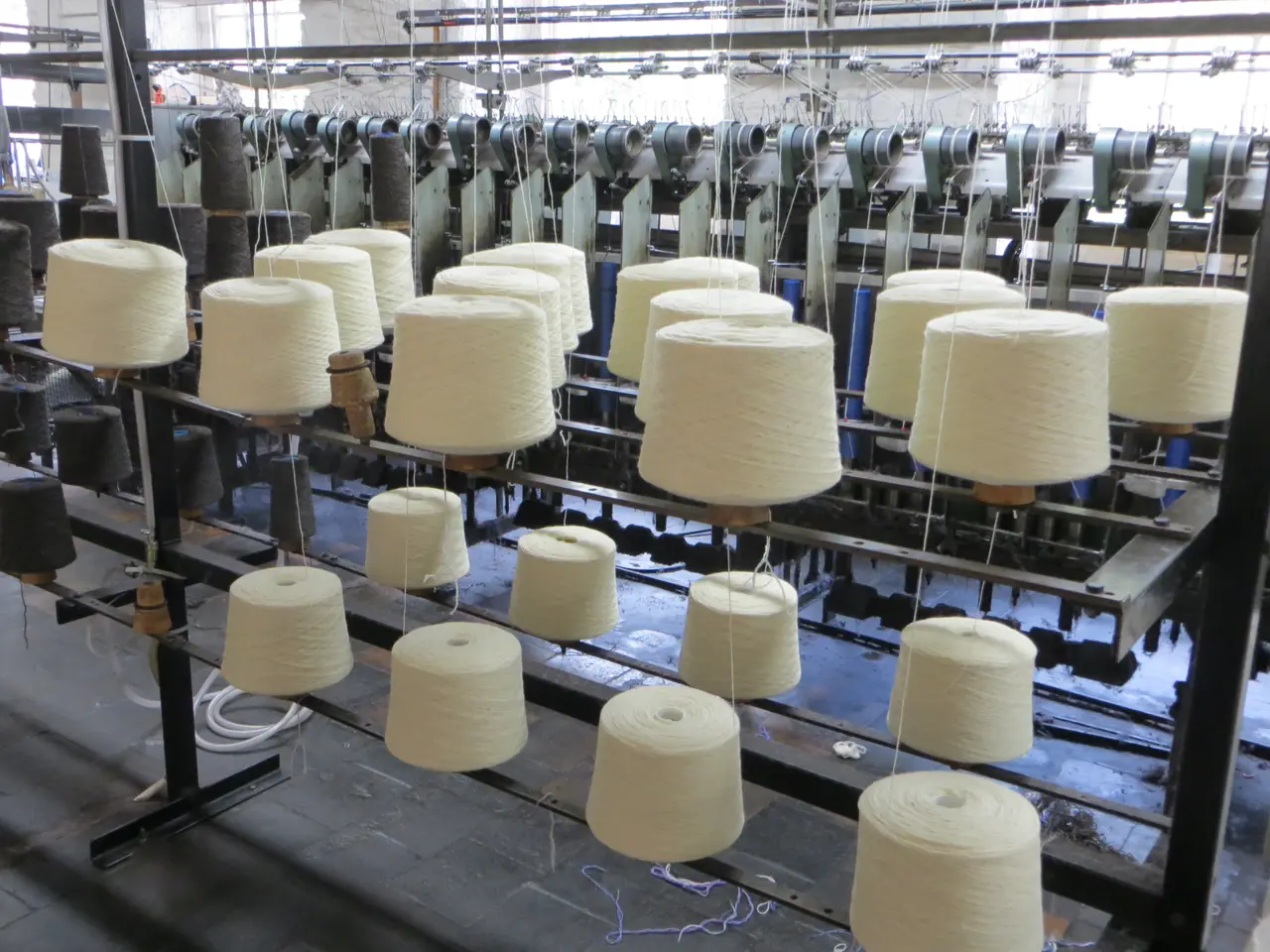
Bangladesh's textile and garment sectors have agreed on a plan to boost incentives for using locally produced yarn. The move aims to cut reliance on imports and support domestic mills. A government-led committee will now review the proposal before submitting its findings.
The decision came during a meeting of the Ministry of Finance's technical committee, led by Rahima Khaton. The 10-member group includes officials from various ministries, trade bodies, and industry associations. Their task is to assess how higher incentives could affect the textile and apparel supply chain.
Representatives from garment manufacturers and textile mills proposed raising the cash incentive from 1.5% to between 3.5% and 5%. They argued that this increase would make local yarn more attractive to exporters. BGMEA Vice-President Shehab Udduza Chowdhury stated that a 5% rate would make domestic yarn commercially viable, improving mills' competitiveness.
The committee also considered a separate 1% cash incentive for ready-made garment (RMG) exporters to maintain their global edge. Industry leaders claimed that higher incentives could revive idle factories, create jobs, and boost tax revenues. They added that stronger support for local yarn would remove the need for bonded warehouse benefits on imported yarn.
Before finalising its report, the committee will examine the financial impact of the proposed changes. Their analysis will cover export performance, employment effects, and additional costs. The findings are due by February 16.
The agreed-upon incentives could reshape Bangladesh's textile sector by reducing import reliance and strengthening local production. The committee's report will determine whether the government adopts the proposed changes. If approved, the policy may take effect under the next administration.