Bangladesh cracks down on fuel price gouging amid Middle East oil surge
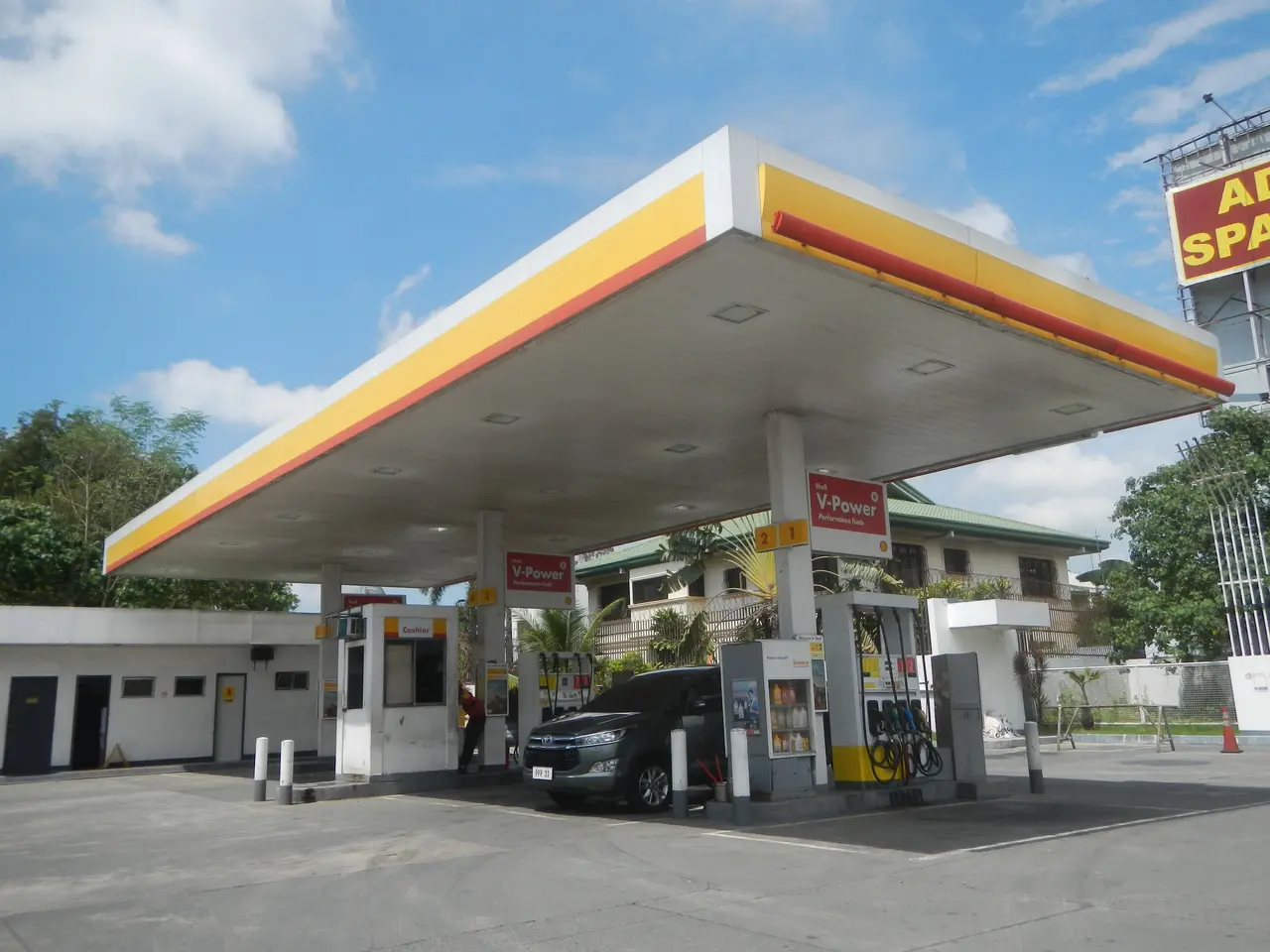
Authorities in Bangladesh have fined six businesses a total of Tk 90,000 for overcharging customers on fuel. The crackdown comes as global oil prices surge due to ongoing conflicts in the Middle East. Officials also seized 1,500 litres of illegally stored petrol and octane during the operation.
The Department of Consumer Rights Protection carried out raids across four markets after reports of traders hoarding fuel to sell at inflated prices. One of the largest fines—Tk 25,000—was issued to Santoo Islam, owner of Khan Enterprise at Chinakhara Bazar. Investigators discovered the fuel hidden in a cowshed on his property.
Global fuel prices have spiked sharply since the Middle East conflict began in October 2022. Brent crude reached over 119 USD per barrel on March 9, 2026—the highest level since mid-2022—before falling back near 100 USD. Supply disruptions, including blockages in the Strait of Hormuz and production cuts, have driven the volatility. Countries like Switzerland and Germany have seen heating oil and gasoline prices jump by 30-40%. The seized fuel was later sold to the public at government-fixed rates. Officials stressed that the operation aimed to prevent artificial shortages and stabilise local prices amid wider market instability.
The fines and seizure follow broader concerns about fuel shortages and price gouging linked to the Middle East crisis. While OPEC+ has signalled possible output increases, transport costs and insurance premiums remain high. Authorities continue monitoring markets to prevent further violations.