Baltic Sea tensions surge as NATO and Russia face off over security gaps
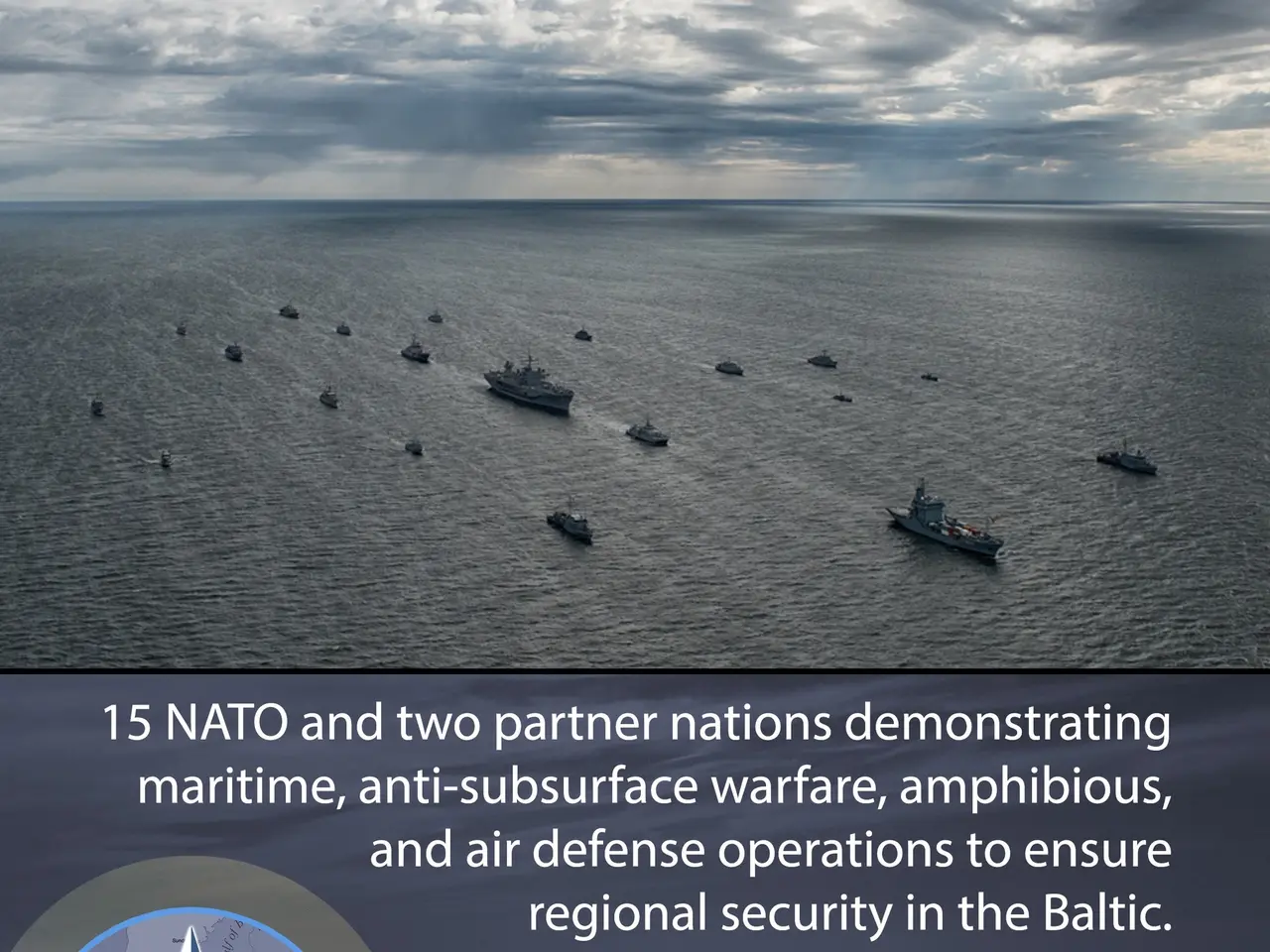
Tensions in the Baltic Sea have risen sharply as Russia’s actions and NATO’s response reshape the region’s security landscape. The area, now almost entirely encircled by NATO members after Finland and Sweden joined, hosts vital underwater infrastructure and heavy military traffic. Recent moves by Poland and its allies signal a push to strengthen defences against what many see as an increasingly likely Russian threat. Since the start of the war in Ukraine, Russia has intensified hybrid warfare in the Baltic Sea and against neighbouring states. NATO’s military and intelligence leaders now warn that an attack on Alliance territory could come soon. The Suwałki Gap—a thin strip of land between Poland and Lithuania—remains a critical weak point, sandwiched between Russian ally Belarus and the heavily militarised exclave of Kaliningrad.
Poland has taken steps to counter the threat. In March 2023, Defence Minister Władysław Kosiniak-Kamysz met Sweden’s Pål Jonson to discuss joint defence investments and a new security framework for the Baltic. More recently, Prime Minister Donald Tusk declared Gdynia a key hub in a broader geopolitical project, highlighting Poland’s purchase of three Swedish A26 submarines as proof of its ‘reborn maritime power’. Yet challenges persist: Poland’s order of 1,000km-range American JASSM-ER missiles, placed in 2024, faces delays due to US export restrictions and limited stockpiles.
Analysts argue that current defensive measures—like the Baltic Defence Line and Poland’s Eastern Shield programme—may not be enough to stop a Russian offensive. Former Polish defence chief Rajmund Andrzejczak insists Poland must send an unambiguous military signal to Moscow. Meanwhile, security expert Fabian Hoffmann proposes that Europe adopt a deterrence strategy based on conventional counterstrikes, requiring stockpiles of long-range precision missiles across the region. The Baltic Sea’s strategic importance has grown as NATO expands its presence and Russia escalates pressure. Poland’s military investments and regional cooperation aim to close vulnerabilities, but gaps in capability and delayed arms deliveries leave questions about readiness. With warnings of a possible Russian attack mounting, the focus now shifts to whether deterrence efforts will hold—or if further reinforcements will be needed.