Baden-Württemberg imports less asparagus - Baden-Württemberg's asparagus imports plummet amid shifting consumer trends
Baden-Württemberg saw a notable drop in asparagus imports during 2025, with volumes falling by 640 metric tons. This decline of 18.3% compared to the previous year came alongside shifts in local production and changing consumer habits. The region's own harvest also shrank slightly, adding to the market changes.
The total fresh and chilled asparagus imported into Baden-Württemberg reached around 2,900 metric tons in 2025. Spain remained the top supplier, providing 52.1% of all imports. However, severe flooding and crop losses in Spain likely reduced its usual export volumes.
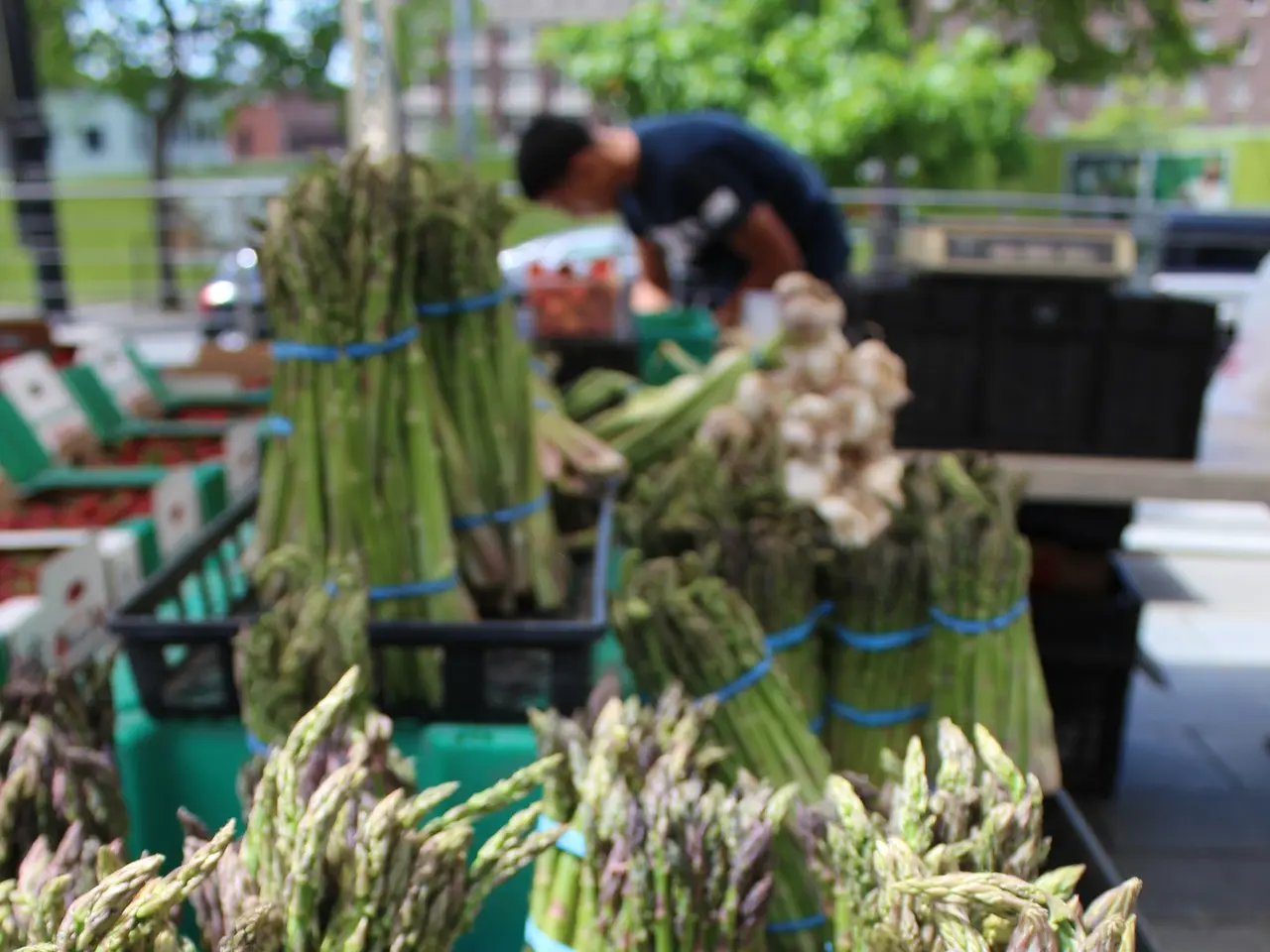
Other key sources included Mexico, Italy, Peru, and Greece. Over the past five years, Spain's share of Germany's asparagus imports had grown steadily, often making up 60-70% of the total. Meanwhile, imports from Greece and Peru stayed flat or declined. Locally, the region's asparagus harvest dropped by roughly 2%, producing 8,442 metric tons. Farmers began harvesting earlier than usual, which may have cut demand for imported supplies. At the same time, shops reported rising interest in homegrown green asparagus.
The drop in imports and slight decline in local harvests point to a changing asparagus market in Baden-Württemberg. With per capita consumption dipping and more buyers choosing regional produce, the region's reliance on foreign supplies appears to be shifting. Spain's ongoing role as the main supplier will depend on its ability to recover from recent weather challenges.