Avery Singer's Hand-Painted Illusions Redefine Contemporary Art
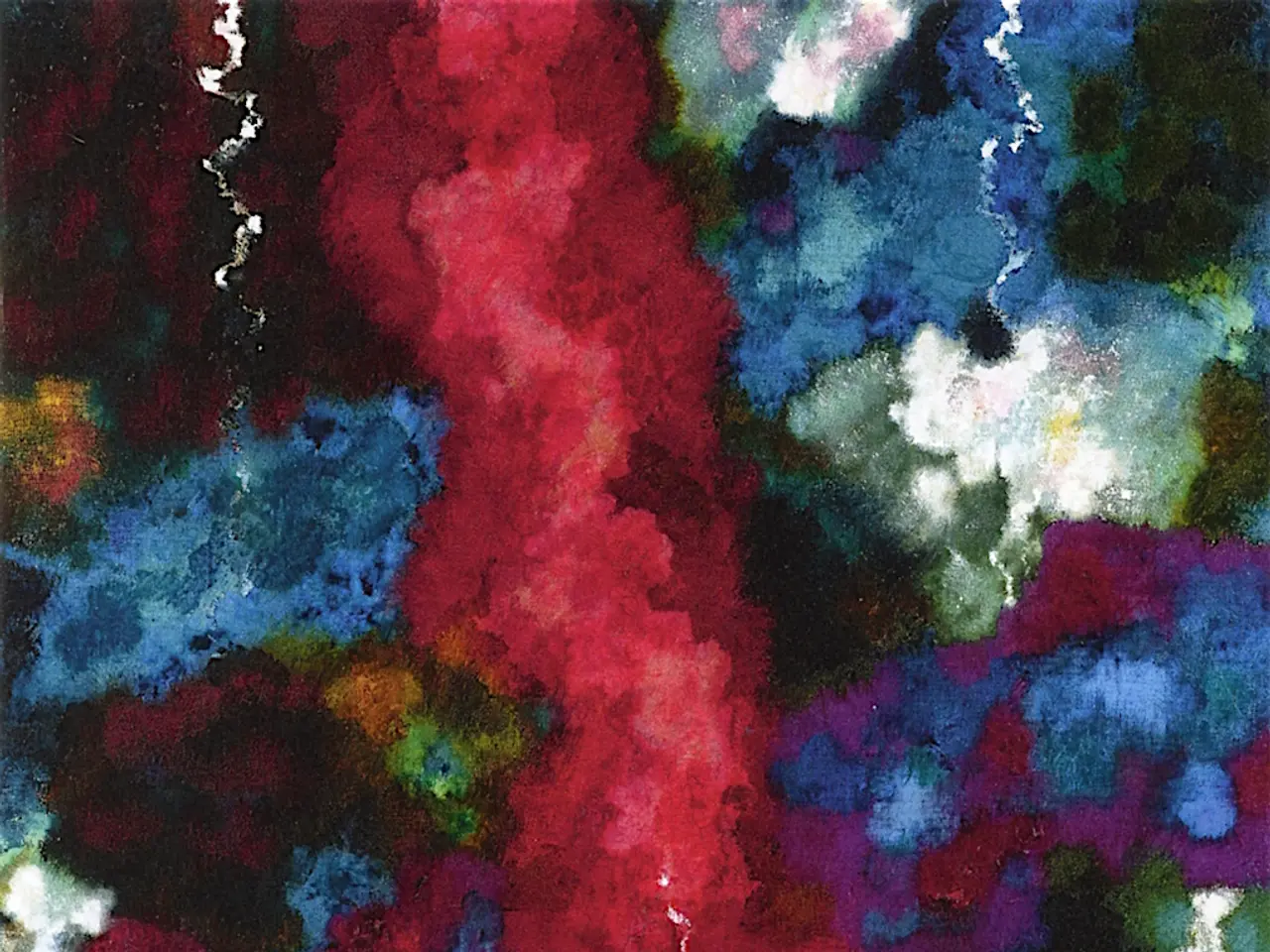
Avery Singer's paintings initially appear to be digital creations. However, she employs airbrushes, masking tape, and projectors to create her striking works. Her distinctive approach has made her one of the most discussed artists in contemporary circles.
Her art seamlessly blends traditional techniques with futuristic themes. The outcomes—grayscale glitches, 3D-rendered figures, and dystopian scenes—have garnered attention from collectors and social media audiences alike.
Singer first gained recognition with her early grayscale series. These works swiftly earned her a place in top galleries and museums. Over time, her compositions grew more vibrant and intricate, broadening her artistic reach.
Her signature style—marked by digital-looking distortions and bold aesthetics—has become a defining feature of her career. Prominent institutions, including Hauser & Wirth, Gagosian, and Kunsthalle Zürich, now represent her. Her presence is also robust at leading art fairs and exhibitions worldwide.
The market has taken notice. Singer's paintings now command millions at auction houses like Sotheby's and Christie's. Her rising influence reflects a broader curiosity about technology's role in painting. By merging digital concepts with hands-on methods, she offers a novel perspective on how art and tech intersect.
Social media platforms like Instagram and TikTok have further magnified her work. Clips of her process and finished pieces often go viral, drawing in new audiences and collectors.
Singer's rise underscores a shift in how contemporary art is crafted and valued. Her paintings, though handcrafted, mimic digital effects in ways that challenge traditional boundaries. With her work now fetching high prices and appearing in elite spaces, her impact on modern art continues to grow.