Austria tackles digital literacy gaps with education and support for all ages
Older Adults, Especially the Very Elderly, Need the Most Support
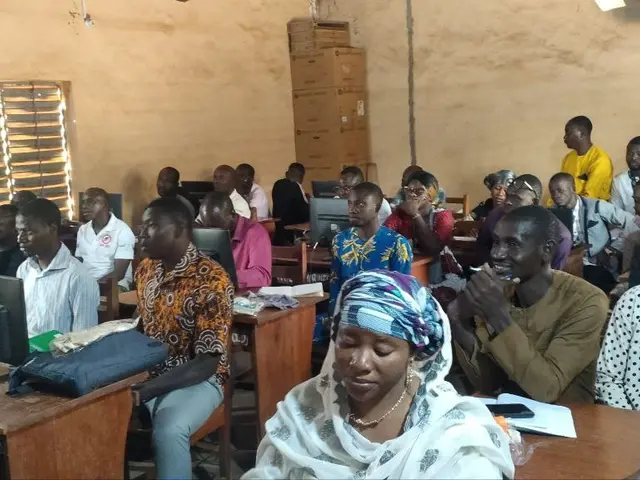
The oldest seniors in particular require assistance here—those from the generation that never experienced the digital transformation in the workplace. His organization offers courses and training to ensure no one is left behind in the digital world. Last year alone, around 7,500 participants attended 1,780 courses.
Ombudsman Office
A dedicated ombudsman service has also been established, open to anyone in need of help. It is staffed by digital everyday-life coach Bernhard Prokop, who is currently traveling across Upper Austria. The Senior Citizens' Association, the SPÖ Pensioners' Federation, and district authorities are holding courses to familiarize residents with the ID Austria system and its functions. Many questions arise about medical billing with health insurers, cybersecurity, and FinanzOnline (the online tax portal).
"Exposed Online" Campaign
The digital world concerns not only the elderly but also the young. SPÖ leader and regional councilor Martin Winkler offers workshops for schools and youth organizations under the slogan "Exposed Online – Navigating Digital Worlds Safely." Recent studies show that over half of all minors have already seen pornography, while roughly a quarter have encountered it unwillingly. Meanwhile, 36% of girls and 24% of boys report experiencing sexual harassment online.