Unions Push for Four-Day Working Week
Australia's unions demand 35-hour workweek to combat burnout and unpaid overtime
Unions will make a major push for the government to scrap the traditional five-day working week without reducing workers' pay.
Australian Council of Trade Unions will use a parliamentary inquiry into national employment standards to argue for full-time employees to have their standard working week cut from 38 hours to 35.
The proposal could pave the way for a four-day working week, while allowing workers to keep their current pay.
The union movement says shorter hours would improve work-life balance, reduce burnout and boost productivity.
The plan is backed by the retail workers' union, the SDA, the Australian Services Union, the Australian Manufacturing Workers' Union, the Australian Nursing and Midwifery Federation, the United Workers Union and Victorian Trades Hall Council.
National employment standards currently guarantee 11 minimum entitlements for workers, including a 38-hour week, reasonable additional hours and the right to request flexible working arrangements, but unions want those protections expanded to reduce working hours.
The Australian Council of Trade Unions argues that despite the proposed reduction in working hours, employees should not lose pay or conditions, including penalty rates and overtime.
ACTU president Michele O'Neil said Australian workers had been putting in long hours for long enough and it was time for change.
'Working people work to live, not live to work, and the results of trials tell us more time for workers boosts productivity, reduces burnout, improves their health and retention,' she said.
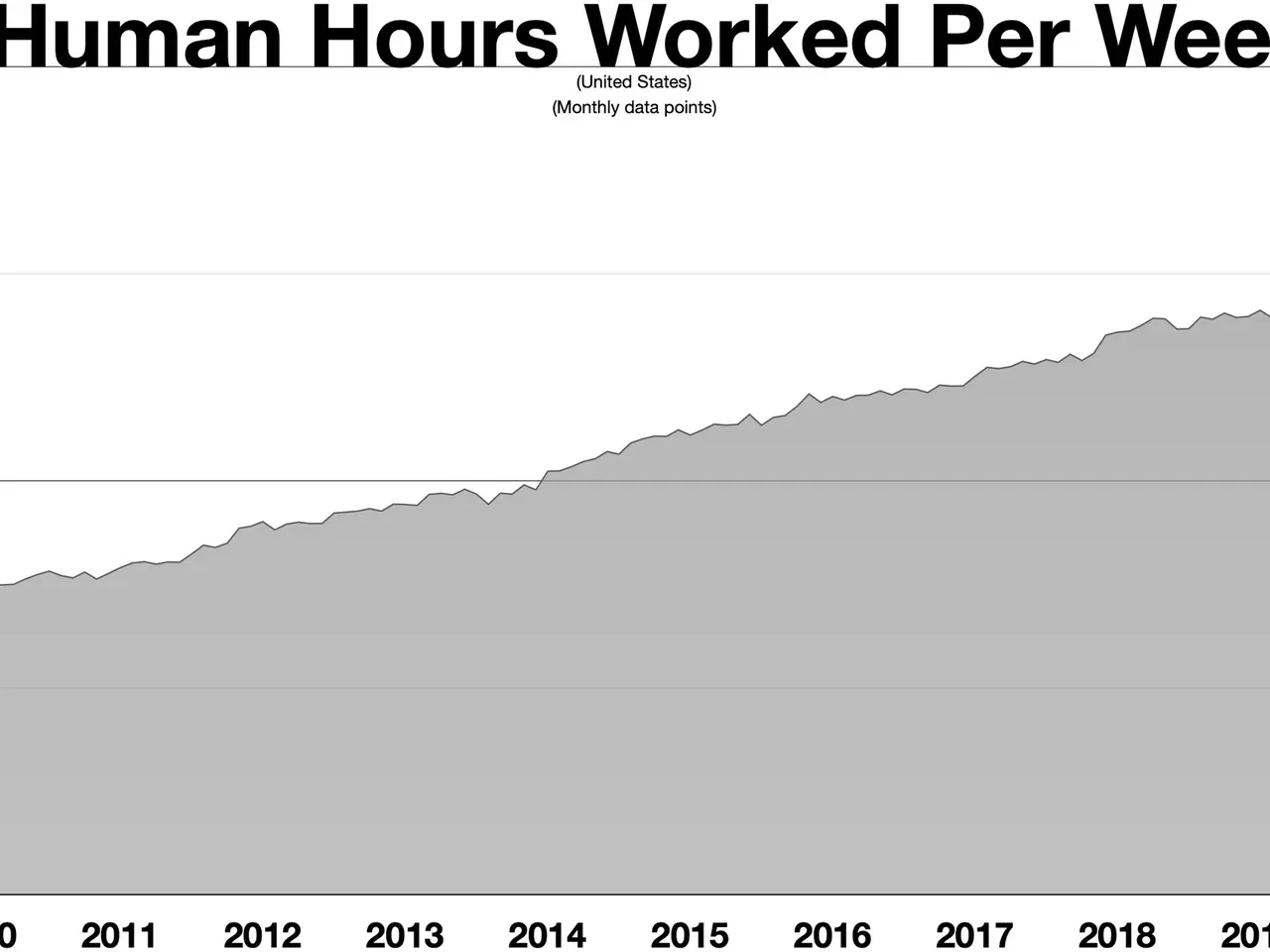
'Australians have been working record long hours for some time now - currently around an average of four and a half weeks' of unpaid overtime each year.
'While Australians work longer hours, the gap between productivity and real wages is getting wider. Real wages would need to increase by 10 per cent to catch up to increases in productivity since 2000.'
If unions get their way, it would mark the biggest change to employment standards since the 1970s.
Unions argue the changes are justified because workers have not received their fair share of the benefits from productivity gains and technological advances over the past five decades.
Not only do unions want workers spending less time on the job, they also want employees to receive an extra week of annual leave - lifting the entitlement to five weeks to help offset rising work pressures and high levels of unpaid overtime.
This would mean annual leave for regular shift workers would increase from five weeks to six.
The move is designed to combat stress, reduce burnout, and give workers more time for family, wellbeing and caring responsibilities.
Business groups, including the Australian Industry Group, have criticised the proposal, citing concerns about labour shortages, higher costs through overtime, and the potential burden of an effective 12 per cent pay rise for businesses.
The Australian Council of Trade Unions unveiled its push for increased annual leave in March, with Treasurer Jim Chalmers saying the government was not considering an extra week.
'With weak productivity growth, inflation rising and living standards under pressure, this proposal does nothing to address these real challenges,' he said.
'This proposal assumes businesses can simply absorb the cost of extra leave without any improvement in productivity.'