Speedy Delivery Services on the Rise, Putting Pressure on Traditional Businesses
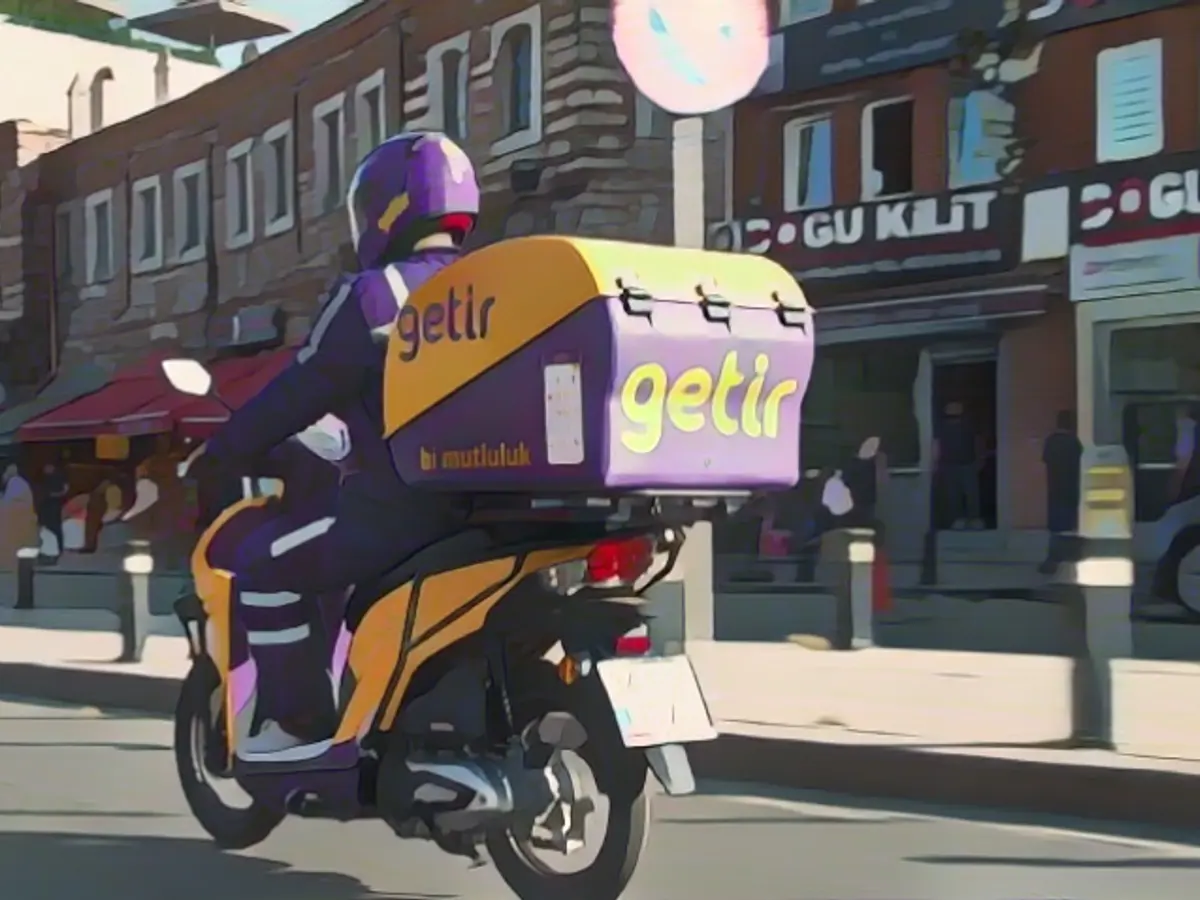
With companies like Gopuff, Gorillas, Getir, 1520, Jokr, Buyk, and Fridge No More expanding their delivery services in major U.S. cities, they're putting pressure on conventional grocery stores and e-commerce companies to offer delivery options. Instead of waiting hours, consumers now have the option to choose delivery in minutes.
DoorDash is building its own warehouse to provide a 30-minute delivery of convenience goods. This month, Kroger announced that it would offer Instacart delivery, offering new comfort options within 30 minutes.
For city dwellers, it might mean having multiple options for faster food and household item delivery.
"There's a growing expectation that everything should be on-demand," said Alex Frederick, reporting on emerging tech companies at Pitchbook. "Comfort is the next step."
Some investors have also backed these bets. According to Pitchbook, investors poured $4 billion into delivery service startups last year alone. As of now, Gopuff is valued at $15 billion, Getir at $7.5 billion, and Gorillas at $1.6 billion.
However, despite large investments and increasing valuations, startups in this sector still face several hurdles for future growth. Some analysts are skeptical if this delivery model can achieve sustainable profitability and question if the consumer demand for such services will endure in the long term.
Landgrab
Gopuff is the largest and most comprehensive instant delivery app in the U.S., initially launched in 2013 by college students in Philadelphia and now available in over 1,000 cities such as Miami, Chicago, Boston, and Dallas. Getir and Gorillas are popular in large European cities (Getir means "bring" in Turkish) and are planning to expand into U.S. cities. Meanwhile, Jokr, Buyk, and Fridge No More, originally introduced in Latin America, are expanding into new neighborhoods in New York City, aiming to grow in densely populated areas of the city. All companies plan to expand to other cities next year, with 1520 now expanding to Chicago.
There are some differences between startups. Gopuff sells alcohol with a $1.95 delivery fee for orders of $10.95 or more. Gorillas charge $1.85, while Fridge No More, Jokr, and 1520 don't charge delivery fees or minimum orders.
According to Bank of America, the market for online grocery, convenience store, and alcohol sales will grow from $66 billion to $156 billion by 2025. DoorDash is the market leader in online convenience store orders, with Gopuff at second place in the U.S. Uber Eats comes in third, followed by Instacart and Grubhub.
"It's a land grab," said Daniel Ives, head of technology research at Wedbush Securities. "Who the winner will be is still undecided." Ives believes this will happen in the next few years. The oversaturated market will see consolidation, similar to what happened in the grocery delivery industry.
"We expect Instacart, Amazon, and other giants to dominate this market," Ives added. "This could lead to acquisitions."
Serious Challenges Ahead
Unlike delivery apps like DoorDash, which rely on delivery people to pick up orders from restaurants, instant delivery startups have their own warehouses in communities and stock numerous highly in-demand items, far less than what the one in grocery stores offers.
Additionally, these startups employ workers to sort orders in warehouses and deliver them, unlike large delivery apps, which rely on independent contractors. However, Gopuff mainly uses independent contractors for delivery and has faced criticism from some delivery drivers regarding their treatment. Companies are not required to provide minimum wage, overtime pay, or unemployment insurance to independent contractors.
Running a warehouse is expensive, with businesses needing to secure lease agreements, pay rent, hire warehouse workers, and purchase inventory. However, having their own warehouses allows companies to provide consumers with a larger selection of items than if they were commissioning orders from other stores.
Analysts cite several challenges to achieving long-term success with this delivery model.
On the one hand, these startups are heavily investing in marketing to enter new neighborhoods and cities, offering discounts to attract customers. However, it's unclear if customers will continue to use the service once discounts end, prices increase, or additional delivery or other fees are added.
Several experts are also uncertain if there are enough situations in which customers will require ice delivery or run out of cooking supplies, especially when there is a grocery store or supermarket nearby or when delivery can be obtained from Amazon or Instacart within two hours or less.
"I expect most of these players to remain in business longer than anticipated," said Daniel McCarthy, professor at the Goizueta Business School of Emory University, who specializes in online retail companies. "The losses will be borne by the companies."
The companies, however, argue that they can become profitable by gaining customers and lowering delivery costs as their buying power increases.
Gopuff stated that the company has been profitable in the first two years in many markets across the U.S.
Gopuff added, "Since its inception, the company has seen year-over-year triple-digit order and sales growth, and this year alone has served more customers than in all previous years combined."
A startup argued that the model could potentially work outside densely populated urban markets.
"A 15-minute delivery in Manhattan is the same as a 30-minute delivery in a less densely populated area," said 1520 founder Musheg Saakyan in an email. "It's still faster than traditional grocery delivery windows (up to two hours)."

Further Reading:
Potential sentences containing the word 'business' in the given text are:
- Despite the large financial investments and the increasing valuations, these startups still face numerous challenges in the rapidly growing delivery business.
- Analysts are uncertain if these delivery models can achieve sustainable profitability in the long term and question if there will be enduring consumer demand for their services.