Asia's coal comeback deepens as Iran war disrupts oil and gas flows
Asian nations are turning back to coal after the Iran war disrupted oil and gas supplies. The conflict has pushed global coal demand up by 8-10% annually since late 2024. Countries like China, India, and South Korea are now relying more on coal to keep power running.
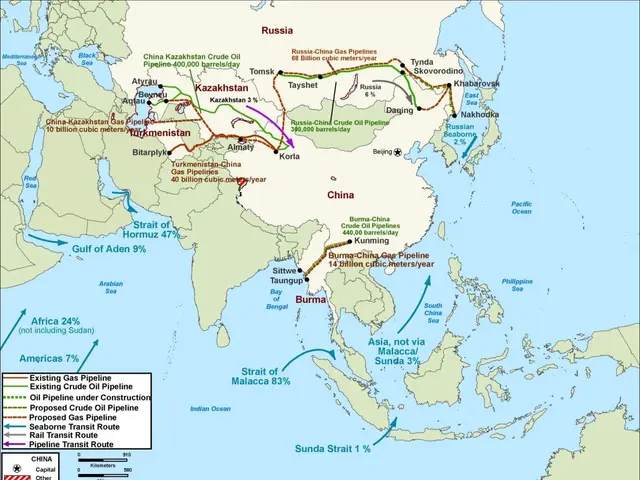
The war has made energy security a top concern across Asia. With a fifth of global oil and gas passing through the Strait of Hormuz, supply risks have forced governments to act. China has fast-tracked over 100 gigawatts of new coal capacity in 2025, while India boosted domestic production by 15% and delayed plans to cut coal imports.
India holds about three months of coal reserves, some set aside for small businesses, as it prepares for summer demand peaking at 270 gigawatts. Meanwhile, Indonesia, the world's biggest coal exporter, is keeping more supply at home, which could drive up regional prices.
Experts warn that coal is only a temporary solution. Burning more of it worsens smog, raises health risks like heart disease and lung cancer, and slows the shift to renewables. Long-term, it could also make future energy shocks harder to handle.
The move to coal may ease immediate shortages but risks setting back climate goals. Higher emissions and air pollution could follow, while countries like Indonesia and South Korea might struggle to phase out coal later. The region's energy plans now face a balancing act between short-term needs and long-term sustainability.