AMD's Epyc CPU shortage persists as AI demand skyrockets beyond forecasts
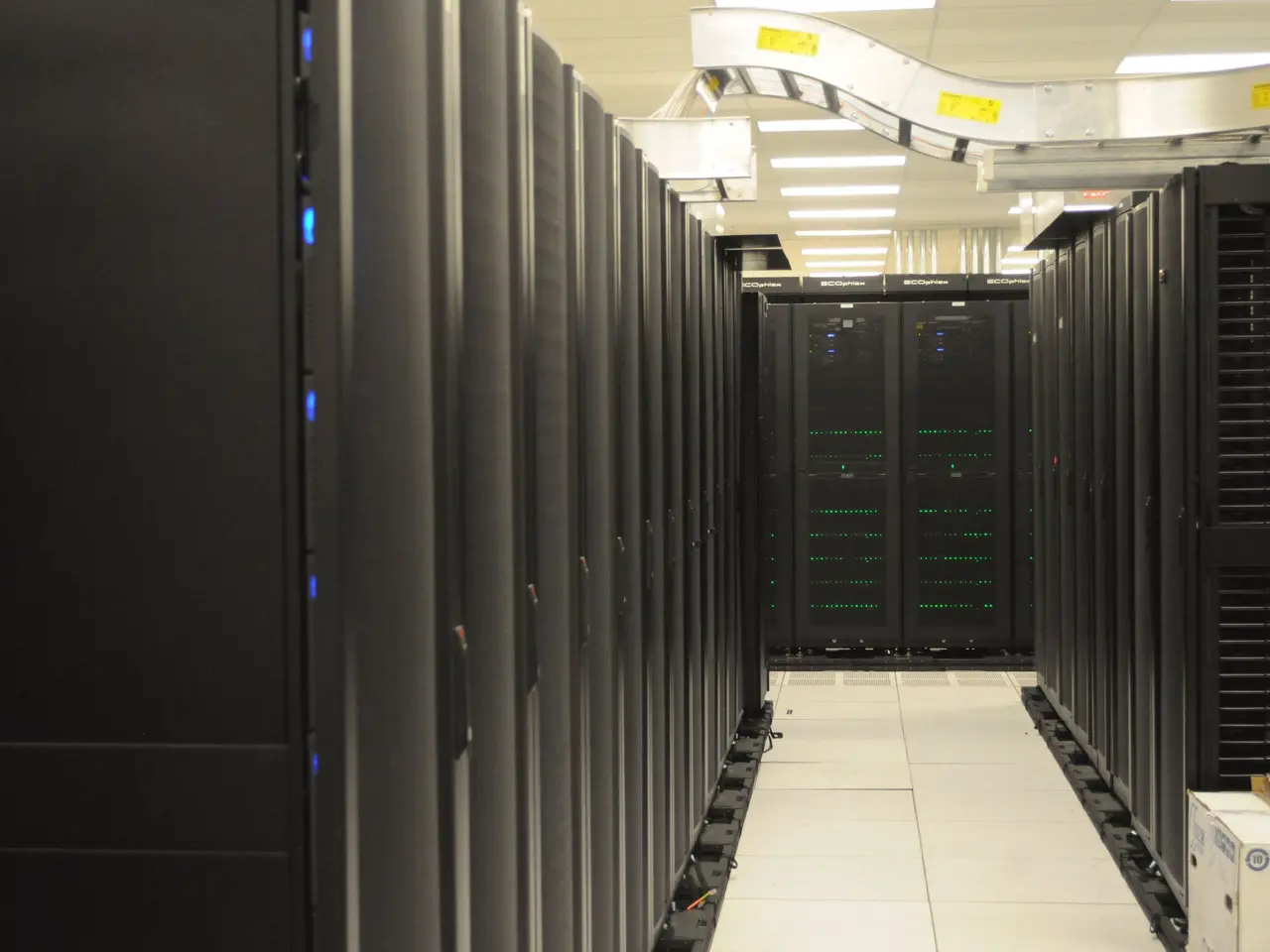
Demand for AMD's Epyc processors has surged far beyond expectations, driven by AI workloads and large-scale data centre projects. The company's upcoming Zen6 "Venice" CPUs, set for late 2026, are already nearly sold out for the year, with supply constraints likely to persist into 2027.
The spike in demand stems from AI applications like agentic AI, pushing data centre customers to secure AMD's hardware in record numbers. Key players such as Meta and OpenAI have locked in multi-year deals worth 12 gigawatts of capacity, combining Epyc CPUs with GPUs. Telecom firms are also investing heavily, partnering with AMD for AI-powered radio access networks (RAN) through collaborations like Wind River. Meanwhile, major cloud providers are pouring over $600 billion into AI infrastructure, further straining supply.
AMD has responded by working closely with its supply chain to expand production capacity through 2026 and 2027. The company has already secured resources for its Instinct MI450 accelerators, HBM4 memory, and advanced CoWoS packaging. These components are scheduled to begin rolling out in the third quarter of 2026, with a sharp increase in production by the fourth quarter. The trend isn't unique to AMD. Rival Intel is also struggling to fulfil orders for its Xeon processors, highlighting the broader industry challenge. AMD CEO Lisa Su recently confirmed that the market for CPUs has grown larger than even the company's most optimistic projections.
With demand for Epyc processors outpacing supply, AMD's Venice CPUs will remain in short supply well into 2027. The company's efforts to scale production aim to meet the needs of tech giants and cloud providers, but constraints are expected to linger. The surge reflects a broader industry shift as AI workloads drive unprecedented investment in data centre hardware.