AI's Power Crisis: How Data Centers Are Breaking the Grid
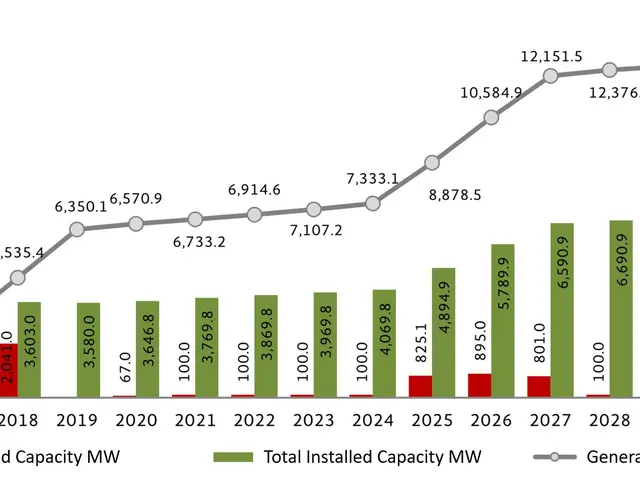
The rapid expansion of AI is overwhelming aging power grids, creating major supply chain risks. Electrical infrastructure, originally designed for slow growth, now faces unprecedented demand from data centres. As a result, delays in new construction have stretched to a decade in key global hubs.
Three potential solutions are emerging: independent energy systems, grid upgrades, and even orbital data centres. Yet, none of these have been widely adopted or officially tested by governments.
For decades, power grids were built assuming an annual load increase of just 1% to 2%. But AI data centres, often called 'factories,' have shattered these estimates. The mismatch has led to severe bottlenecks, with interconnection queues in major hubs now lasting seven to ten years.
To address this, companies are exploring behind-the-meter solutions. Small modular reactors and advanced energy storage could provide independent power, reducing reliance on strained grids. Another approach involves grid-enhancing technologies like dynamic line rating, high-capacity conductors, and HVDC systems. These upgrades could boost existing infrastructure without lengthy construction delays. More futuristic options include orbital data centres, which promise better solar efficiency and thermal management. While no country has launched official pilot projects, private firms are pushing ahead. Axiom Space and Orbital Assembly Corporation are developing concepts like the **StarMax data centre** and **Voyager space station**, designed to host computing modules. Meanwhile, Lonestar Data Holdings is planning lunar data centres. Despite this activity, no government-backed orbital projects have been confirmed as of March 2026. The shift toward AI-driven infrastructure is forcing companies to rethink energy strategies. They now face complex challenges, from securing alternative power sources to managing aerospace logistics. Agile contracts and specialized sourcing have become essential to navigate these risks.
The strain on power grids shows no signs of easing as AI demand grows. Companies must now balance short-term fixes—like grid upgrades and independent energy—with long-term bets on orbital solutions. Without action, delays and bottlenecks will continue to disrupt data centre expansion for years to come.