Airbus stock crashes 7% as production woes and weak forecast rattle investors
Airbus shares have taken a sharp downturn, dragging down the broader DAX index. The aerospace giant's stock plunged by over 7% in a single day, marking its worst performance on the German benchmark. Investors reacted poorly to the company's latest financial outlook and production challenges.
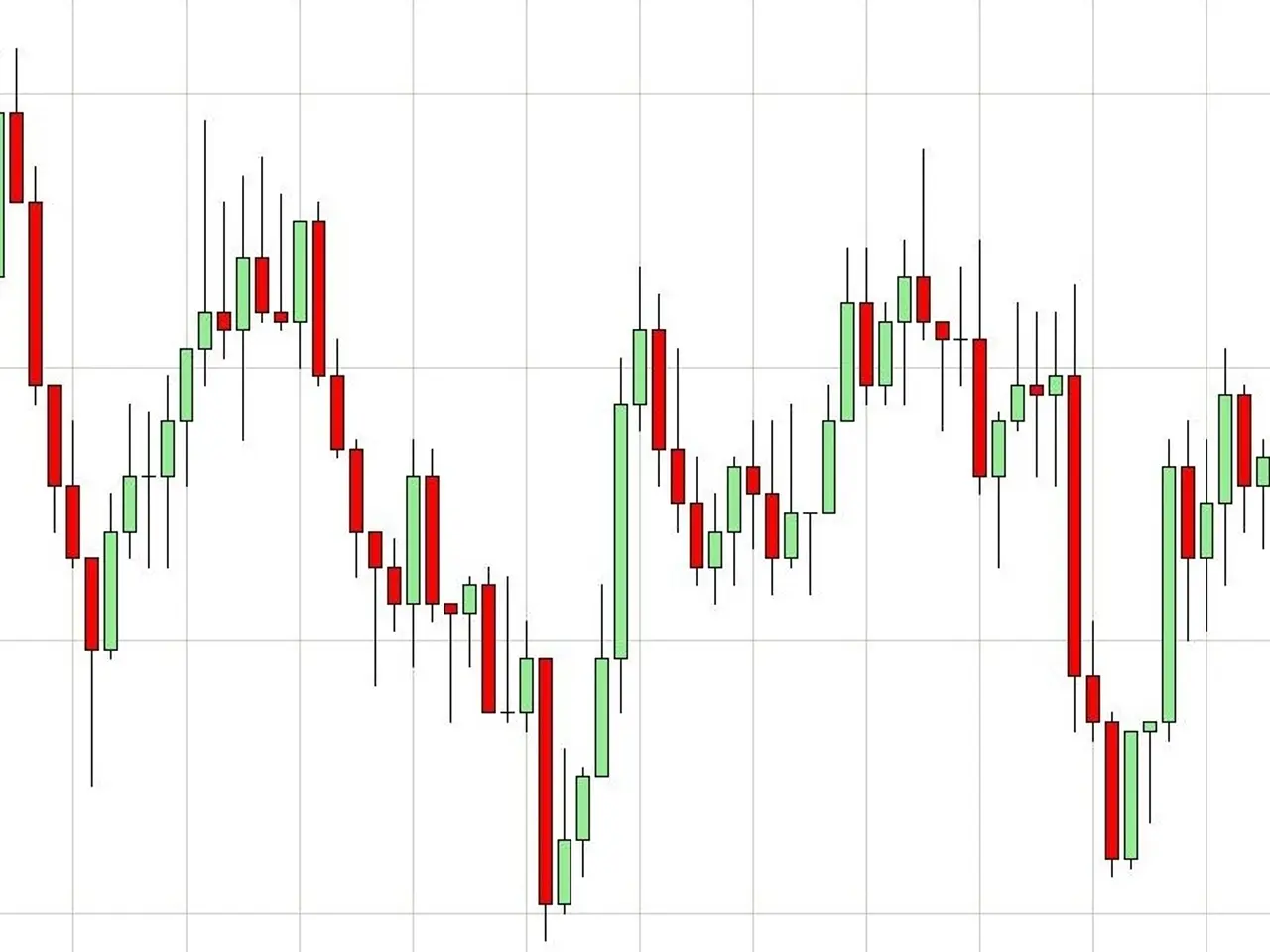
Since mid-January, Airbus shares have steadily declined, falling from above €221 to between €181 and €187 by 19 February 2026. The drop accelerated after the company released its 2026 delivery forecast of 870 aircraft—below analyst expectations of more than 900. Supply chain bottlenecks, particularly engine shortages, and a slower-than-expected production ramp-up added to investor concerns. Even a dividend increase to €3.20 per share and a 2025 earnings before interest and tax (EBIT) target of €7.5 billion failed to ease worries.
The broader DAX index also suffered, closing at 25,044 points on Thursday, a 0.9% drop from the previous session. Airbus was the worst performer, while Rheinmetall and Scout24 led gains. The index erased all its gains from the past 24 hours and struggled to stay above the 25,000-point threshold.
Meanwhile, wider economic factors added pressure. The U.S. trade deficit expanded to $70.3 billion, sparking fears of rising trade protectionism. Oil prices climbed 1.8% to $71.63 per barrel for North Sea Brent crude, and natural gas prices jumped 5% to €33 per MWh. This increase could push consumer energy costs to at least 8 to 10 cents per kilowatt-hour, including taxes. The euro also weakened slightly, trading at $1.1763.
Airbus's disappointing outlook and production hurdles have weighed heavily on its stock, pulling the DAX lower. With the index now struggling to maintain key support levels, market attention remains on whether the company can address supply chain issues and meet revised targets. Energy price rises and trade concerns add further uncertainty to the economic landscape.