AI Boom Strains Data Centres as Cooling and Power Demands Skyrocket
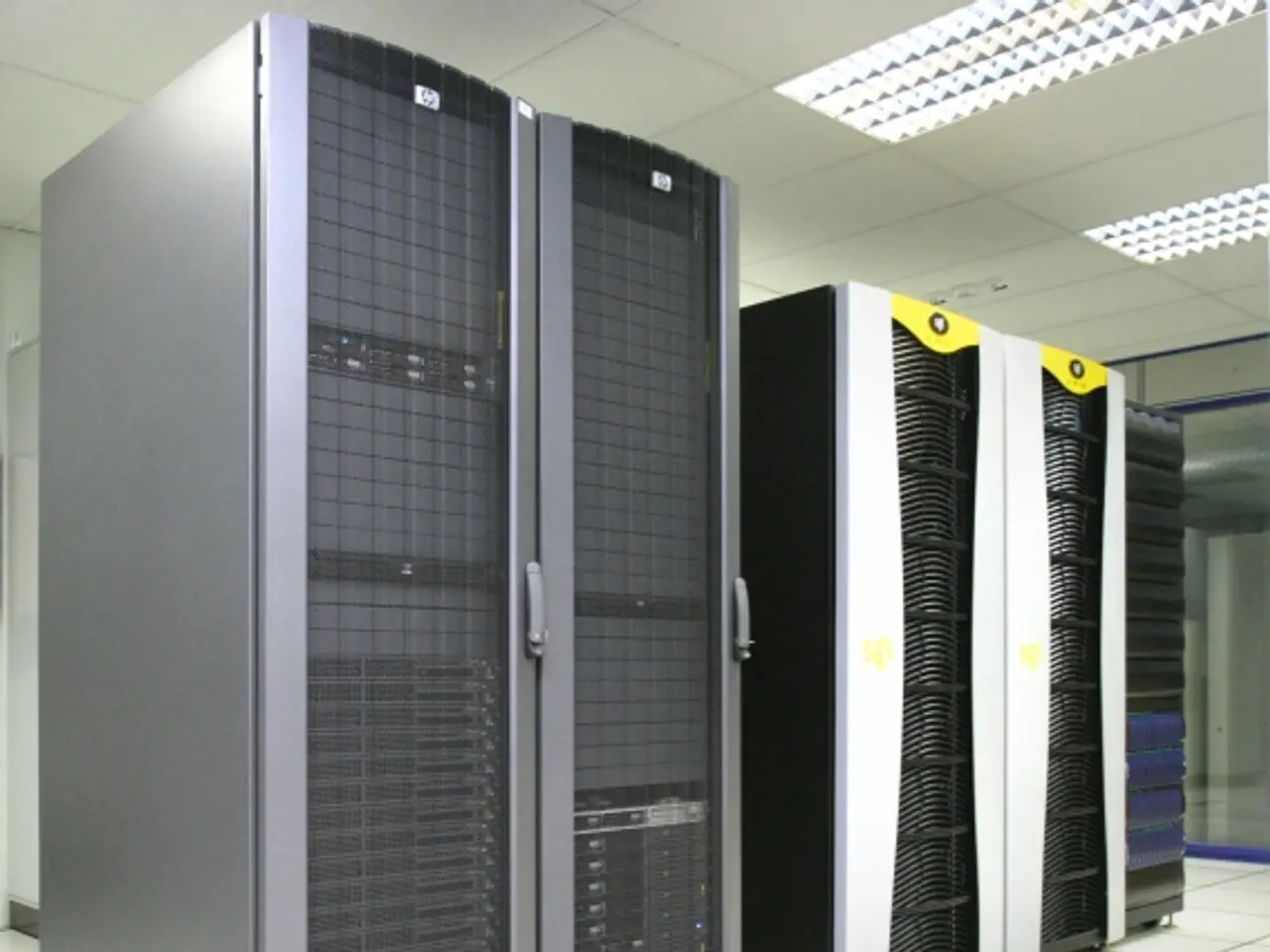
The rapid expansion of artificial intelligence is pushing data centres to their limits. Businesses are adopting AI faster than expected, but this surge is creating major challenges for cooling and power supply. Traditional solutions are struggling to keep up with the rising demands.
AI workloads now require far more energy than standard IT tasks. Server racks must handle loads of 30 kW or higher, with power needs becoming more unpredictable. By 2027, data centre energy use could jump by 50 percent, and by 2030, it may rise by as much as 165 percent.
Liquid cooling has emerged as a key solution to manage these thermal demands. Unlike older air-cooling methods, it saves space and allows companies to expand within existing facilities instead of building new ones. However, installing these systems is complex. It requires close coordination between engineers, contractors, and cooling specialists to ensure smooth integration.
Power supply is another growing concern. In Germany, around 13 percent of new gas-fired power plants under construction or planned will serve data centres exclusively. While no exact figures exist for AI-specific plants, providers like EnBW and RWE are developing hydrogen-capable gas facilities across Europe to anchor data centre clusters. Meanwhile, in the U.S., some operators are even reviving decommissioned nuclear plants or deploying gas turbines to meet extreme power needs.
To handle these pressures, data centres are adopting holistic energy management. This approach ties together power distribution, cooling efficiency, and resource monitoring—helping to improve both performance and sustainability.
The shift to liquid cooling and advanced energy strategies is reshaping how data centres operate. With AI driving up power and cooling requirements, businesses must invest in smarter infrastructure to avoid shortages and inefficiencies. The changes also highlight the need for better planning as demand continues to climb in the coming years.