A Life Between Rehabilitation and Deportation: One Man's 30-Year Prison Struggle
Edwin E. Chavez has spent 30 years in California prisons, serving a life sentence with the possibility of parole. His journey has been marked by isolation, self-education, and a struggle between rehabilitation and the threat of deportation. Now, his future hangs between California's progressive prison model and El Salvador's harsh system for deported gang members.
Chavez was sentenced to life in 1994. Early in his incarceration, he was held in solitary confinement at Pelican Bay's Security Housing Unit, where his every movement was tracked. Surrounded by violence and cut off from human contact, he battled anxiety and despair.
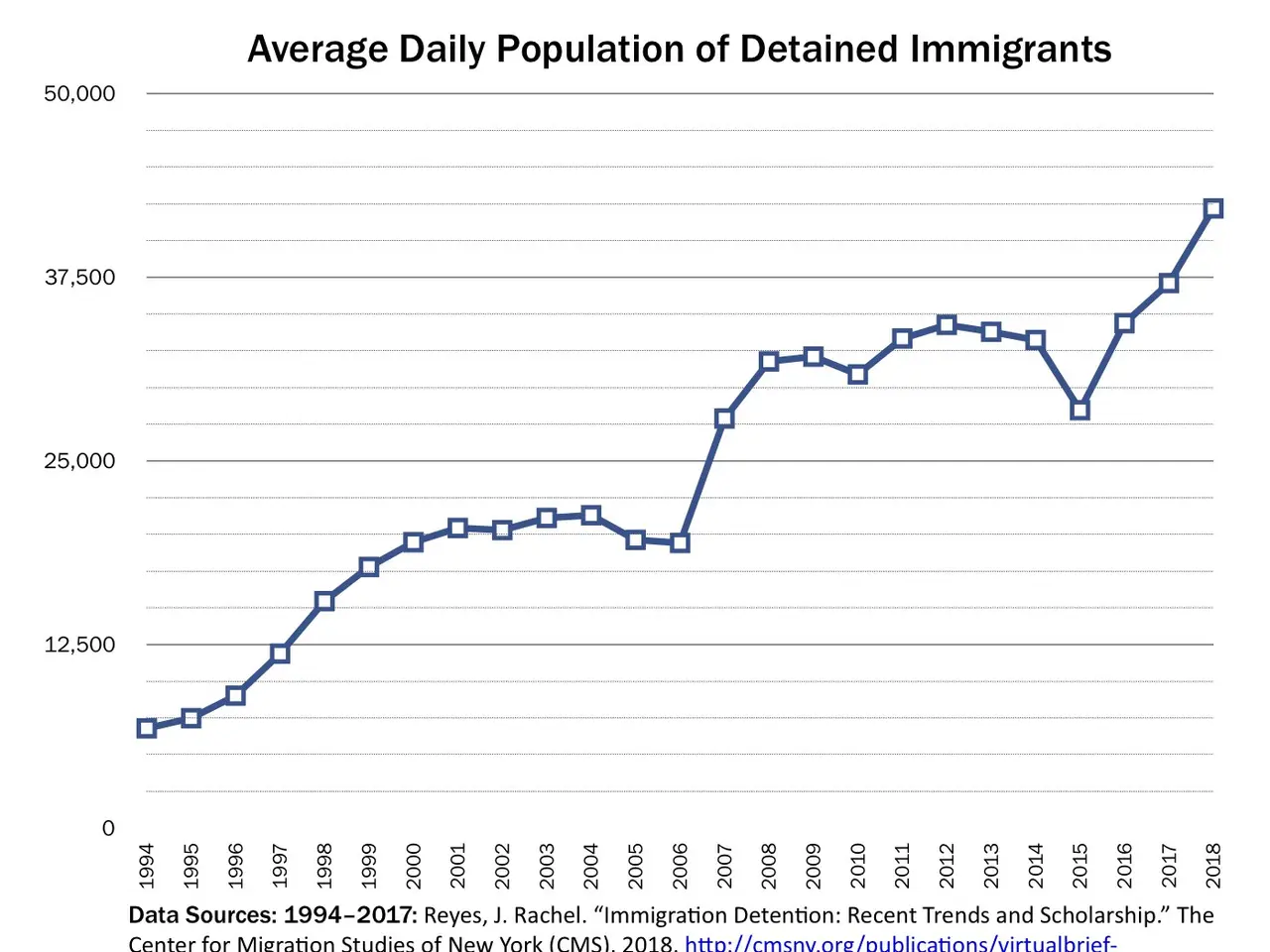
Unable to read or write at first, he taught himself English using only a dictionary and borrowed books. Over time, he shifted from survival to self-improvement. Today, he collaborates with San Quentin's administration on social justice and rehabilitation programmes, aiming to prove he is no longer a risk to society. Yet his progress faces a harsh reality. If paroled, Chavez would not walk free—he would be handed to ICE. Since 2019, California has transferred over 10,445 non-citizen inmates to immigration authorities. Under a 2022 U.S.-El Salvador agreement, those with confirmed MS-13 or Barrio 18 ties—often identified by tattoos like 'MS,' '13,' or devil horns—are sent to El Salvador's CECOT prison, a facility known for extreme conditions. Chavez's brother Gabriel, paroled in California, was deported there instead. California's system now treats Chavez as a person, not a number, under its 'normalisation' model. But rehabilitation here could mean a one-way ticket to a cell in Central America, where gang affiliations, real or assumed, dictate a far grimmer fate.
Chavez's parole hearing will decide if he is deemed rehabilitated and safe for release. But freedom in California may only lead to a transfer into ICE custody—and from there, a plane to El Salvador. His case highlights the clash between a state pushing for prisoner reform and a federal system that still sees some inmates as threats to be removed.